

2インチ Eトラック ラチェットストラップ タイダウン
Cat:Eトラックラチェットタイダウン
特有のEトラックフィットデザインにより、ストラップの取り付けと取り外しが簡単になります。 Eトラック要件をEトラックレールにスライドさせ、ラチェット機構を作動させ、ストラップを締めて荷物を固定するだけです。 クイックリリースレバーにより、荷降ろしの準備ができた時に簡単に取り外すことができます。スト...
詳細を参照してください

+86 139 5782 7340

直接の答えは、次のとおりです。 貨物タイダウンストラップ 目に見えるウェビングの損傷、ラチェット機構の腐食、作業負荷容量の低下、化学薬品への曝露履歴が見られる場合、または通常の使用で 3 年以上経過している場合は、直ちに交換する必要があります。劣化したものを使用する 頑丈なカーゴストラップ これは単なる機器のリスクではなく、深刻な交通安全と法的責任の問題です。運輸業界のデータは、高速道路での貨物事故の主な原因の一つが荷物の固定の失敗であることを一貫して示しており、推定ではストラップの破損が挙げられています。 調査された貨物紛失事故の 27% .
このガイドでは、業界データに裏付けられた 5 つの主要な交換指標のそれぞれを実際に詳細に説明し、車両オペレーター、物流専門家、個人ユーザーが行う検査プロトコルについて説明します。 ラチェットタイダウンストラップセット そして トレーラータイダウンストラップ すべてのロードの前に適用する必要があります。
のウェビング ポリエステル製タイダウンストラップ 主要な耐荷重要素です。ウェビング繊維構造に目に見える損傷があると、ストラップの使用荷重制限 (WLL) と破断強度が直接低下します。ポリエステルウェビングの劣化に関する研究では、単一のカットが貫通することを示しています。 ウェビング幅の 10% 以上 引張強度が最大 35% 低下する可能性があります。ウェビングの長さが 15 cm を超える擦り切れた部分は、通常、繊維損失の深さに応じて 20 ~ 50% の強度低下を伴います。
最も一般的なウェビング損傷のタイプは次のとおりです。 頑丈なタイダウンストラップ フィールドでの使用は次のとおりです。
データは、ウェビング試験の文献からのおおよその平均強度低下範囲を表しています。実際の減少量はストラップの構造、繊維のデニール数、損傷の程度によって異なります。
実際の検査ルール: 毎回使用する前に、ウェビングの全長に沿って手をいっぱいに動かし、硬さ、質感の変化、薄い部分、または粗い部分を感じます。明るい場所で、ウェビングをピンと張った状態で長さに沿って観察します。幅や表面の一貫性に偏差がある場合は、詳しく調べる必要があります。疑わしい場合は、ストラップを外してください。交換にかかる費用 貨物固定ストラップ 荷物の移動や交通事故のコストよりも常に低くなります。
ラチェット金具は 頑丈なラチェットストラップ は、単なる便利な機構ではなく、精密に設計された耐荷重コンポーネントです。腐食、爪の曲がり、フレームの亀裂、歯の磨耗はすべて重大な安全上の欠陥であり、定格荷重を保持するラチェットの能力を損ないます。業界のメンテナンス調査によると、 ハードウェアの故障はカーゴストラップの現場故障の約 31% を占めます 、ウェビングの損傷に次いで 2 番目です。
| 欠陥の種類 | 視覚的/機能的インジケーター | リスクレベル | アクション |
|---|---|---|---|
| 爪や歯の表面の錆び | オレンジ色の変色、ザラザラした質感 | 中 | 掃除して評価する。穴が深い場合は交換する |
| 曲がったまたはひび割れたフレーム | 目に見える変形、非対称ギャップ | 高 | すぐに交換してください |
| 磨耗した歯または歯が抜けた状態 | 軽荷重でラチェットが滑る | 高 | すぐに交換してください |
| リリースレバーの破損 | レバーが曲がって完全に解放されない | 中–High | 交換してください。強制しないでください |
| フックの変形や亀裂 | フックの口が広がり、喉に亀裂が入る | クリティカル | すぐに交換してください — do not use |
オペレータが行う特定の故障モードの 1 つ Eトラックラチェットストラップ Eトラックレールと係合する平フック金具の変形に注意してください。高張力サイクルを繰り返すと、フラット フックの曲げ半径に応力亀裂が発生することがありますが、この亀裂はフィッティングが破損するまで目に見えません。どれでも 格納式ラチェットストラップ または、屈曲部の表面に亀裂が見られる E トラック フィッティングは、直ちに使用を中止する必要があります。
ポリエステルウェビング、ほぼすべての品質に使用される素材 ポリエステル製タイダウンストラップs 、ナイロンと比較すると適度に紫外線耐性がありますが、紫外線耐性はありません。長期間屋外にさらされると、ポリマー鎖の構造が徐々に劣化し、引張強度が低下し、脆さが増大します。ポリエステルウェビングサンプルの研究によると、 24 か月間連続屋外暴露すると、破壊強度の中央値が 18 ~ 25% 減少します 他に損傷がない場合でも。
多くの業界標準およびストラップ メーカーは、強度保持力が元の定格容量の 80% を下回った場合、ウェビングを廃止することを推奨しています。屋外で継続的に紫外線にさらされると、通常、約 24 か月でこのしきい値に達するため、屋外に保管するストラップについては、年に 1 回の検査と交換のサイクルが妥当なガイドラインとなります。
紫外線で劣化したウェビングは特徴的な視覚的症状を示します。ストラップの色が褪色し、外観が著しく明るくなり、または白っぽくなり、表面の質感が粗くなるか、触れるとわずかに粉っぽくなり、ウェビングはその特徴的な柔軟性を失い、硬くなり、鋭く曲げると亀裂が入りやすくなります。どれでも 貨物拘束ストラップ これらの症状が見られる場合は、暦年数に関係なく、劣化したものとして扱う必要があります。
化学物質への曝露は関連していますが、別個の損傷経路です。酸、アルカリ、燃料、作動油はすべて、さまざまな方法でポリエステル繊維を攻撃します。バッテリー液との短時間の接触でも、車両輸送用途で一般的です。 オートバイのタイダウンストラップ — 目に見える汚れが乾いた後でも、数か月にわたって進行する加水分解が始まる可能性があります。化学薬品への暴露歴が確認されたストラップはすべて廃棄し、新しいものと交換する必要があります。 荷物固定ストラップ .
たとえ一度でも過負荷がかかったカーゴストラップは、目に見えて破損していなかったとしても、内部繊維に損傷を与え、耐荷重が永久に低下している可能性があります。これは、最も過小評価されている代替トリガーの 1 つです。 WLL に近い、または WLL を超える荷重がかかったポリエステル ウェビングおよびハードウェア コンポーネントは、繊維および金属結晶レベルで塑性変形を起こしますが、これは可逆的ではなく、検査中に目に見えません。
技術的には定格容量内である WLL の 100% での 1 回の荷重イベントでも、繊維やハードウェア コンポーネントの塑性変形により残留破断強度が約 27% 低下する可能性があります。過負荷の履歴があることがわかっているストラップは、標準検査では内部損傷を検出できないため、外観に関係なく常に交換する必要があります。
このため、選択する前に適切な負荷計算が不可欠です。 ラチェットタイダウンストラップセット 。拘束システムの合計 WLL は、ストラップの数、適用角度、および管轄区域の法的要件を考慮して、積載重量を超える必要があります。北米では、FMCSA 規制により、タイダウン WLL の合計が、固定される貨物の重量の少なくとも半分に等しいことが求められています。
実用的なフリート管理ポリシー: 各ストラップ セットの荷重ログを維持し、適用された最大荷重を記録します。最大積載重量での突然の緊急ブレーキ停止など、文書化された限界に近い荷重イベントまたは限界を超える荷重イベントが発生したストラップ セットは、使用に戻る前に隔離および有資格者による検査を受けるか、予防措置として交換する必要があります。
見た目は無傷でも カーゴストラップ 負荷サイクルごとに疲労ダメージが蓄積されます。張力と解放のサイクルを繰り返すと、マイクロレベルの繊維の再調整、ハードウェアの応力サイクル、およびウェビングとハードウェアの接続点の進行性の劣化が引き起こされます。働き方に関する業界のコンセンサス 頑丈なタイダウンストラップ 通常の商業使用における最大耐用年数は、 3~5年 、目に見える状態に関係なく、年に一度の検査間隔があります。
現場で 3 年間定期的に使用した後、カーゴ ストラップのすべての性能寸法は、新品のストラップと比較して目に見える劣化を示します。耐紫外線性と柔軟性は最も急激に低下しますが、ハードウェアの完全性と耐摩耗性は保管条件と使用条件に大きく依存します。この多面的な劣化が、目視検査とは無関係に年齢だけが有効な退職基準となる理由です。
サービス履歴記録が存在しないこと自体が、商業運用の廃止の引き金となります。車両にセットされているストラップが購入日、積載履歴、検査記録によって明確に特定できない場合は、廃棄して新しいものと交換する必要があります。 荷重拘束ストラップ それは適切に追跡できます。これは、文書化された安全管理システムまたは第三者の監査に準拠する必要がある業務にとって特に重要です。
| アプリケーション | 使用頻度 | 推奨最大寿命 | 検査間隔 |
|---|---|---|---|
| 商用トラック輸送 / 毎日の車両輸送 | 毎日 | 12 ~ 18 か月 | 毎回のロードの前に |
| トレーラー/週末牽引 | 毎週 | 3~4年 | 毎回の使用前に |
| バイク輸送 | 時々 | 4~5年 | 毎回の使用前に |
| Eトラック・移動バン(レンタル) | 不定期/マルチユーザー | 2~3年 | 毎回のロードの前に |
| 化学・屋外産業用 | レギュラー | 1~2年 | 毎回の使用前に quarterly |
摩耗または損傷したストラップを交換する場合、交換する製品の品質によって、次回の検査間隔がどれくらい長くなり、どれだけ自信を持って荷物を固定できるかが決まります。高品質を区別するいくつかの技術仕様 頑丈なラチェットストラップ 評価どおりに機能しない可能性がある予算の代替品から。
認定された品質のストラップと未検証の予算の代替品との間の性能差は、ラベルへの準拠と耐紫外線性において最も顕著であり、この 2 つの側面は長期的な安全性と耐用年数に直接影響します。評判の良いラチェット ストラップ サプライヤーの認定ストラップは、独立した検証テストですべての品質側面において常に 20 ~ 50 ポイント高いスコアを獲得しています。
寧波イージーリフティング自動車付属品有限公司はプロフェッショナルです タイダウンストラップメーカー そして ラチェットストラップサプライヤー 中国に拠点を置き、ラチェットタイダウンシリーズ、カムバックル、ステンレススチールセンターバックル、フック、ウェビングスリングを専門としています。すべてイージーリフティング 貨物固定ストラップs GS および EC 規格に準拠しており、同社の専任輸出部門により、卸売バイヤー、流通業者、および卸売業者へのスムーズな国際供給が保証されます。 OEM タイダウンストラップ 世界中の顧客。基準が必要かどうか ラチェットタイダウンストラップセット または完全にカスタマイズされた 頑丈なカーゴストラップ EasyLifting のエンジニアリングおよび品質チームは、お客様の仕様をサポートする体制を整えています。
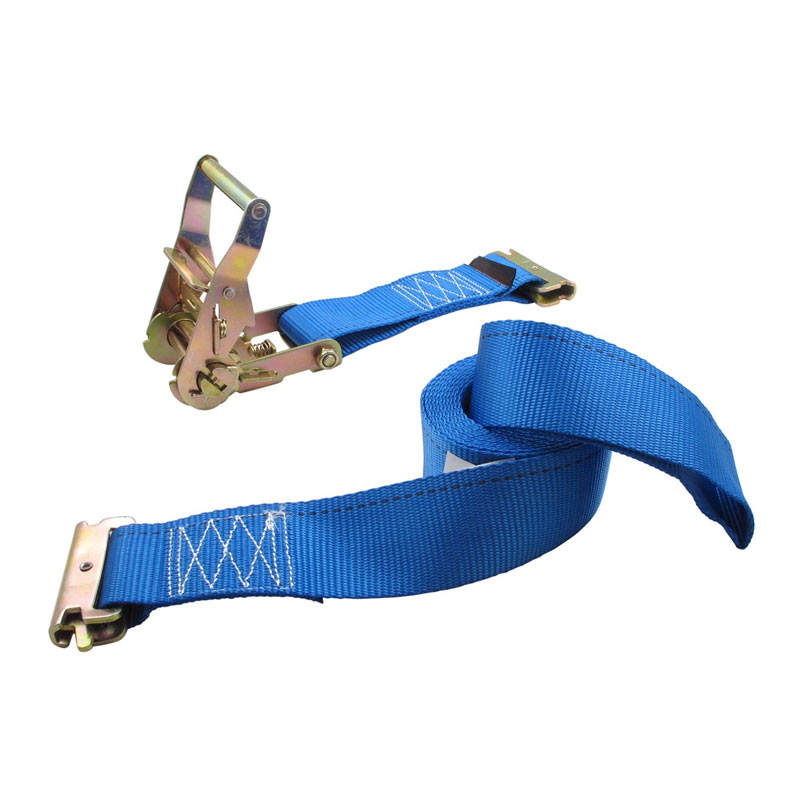
特有のEトラックフィットデザインにより、ストラップの取り付けと取り外しが簡単になります。 Eトラック要件をEトラックレールにスライドさせ、ラチェット機構を作動させ、ストラップを締めて荷物を固定するだけです。 クイックリリースレバーにより、荷降ろしの準備ができた時に簡単に取り外すことができます。スト...
詳細を参照してください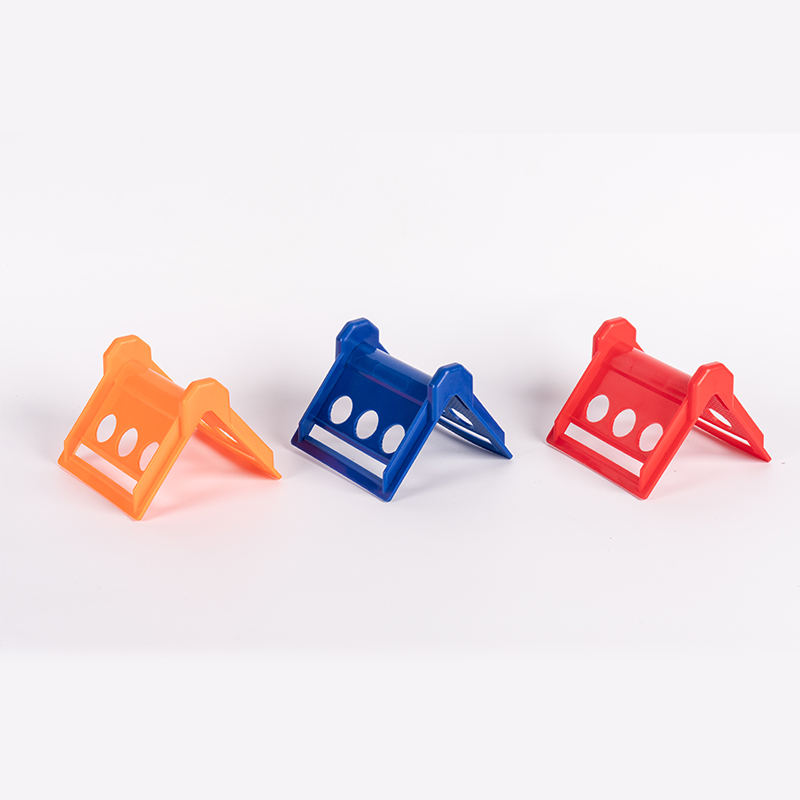
この経済的なコーナープロテクターは、ストラップや荷物に少し追加の保護が必要な量に最適です。 盛り上がったエッジにより、ストラップが適切な位置に留まります。 カットアウトにより軽量で扱いやすくなっています。 最大4インチのウェビング幅に対応します。
詳細を参照してください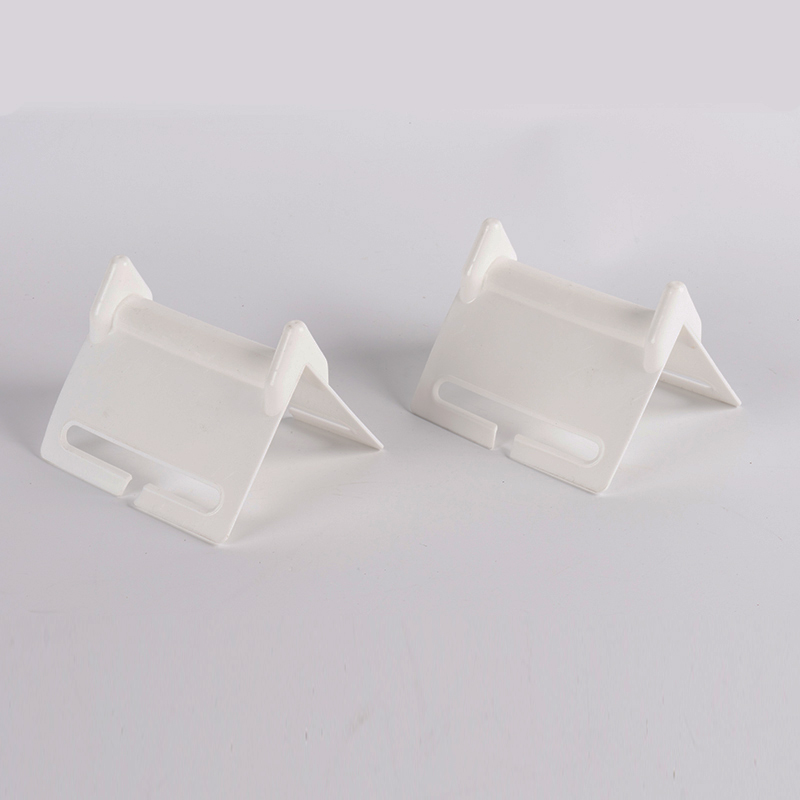
高品質のプラスチックで作られた当社のコーナープロテクターは、ストラップやストラップによる損傷から保護し、摩耗、屈辱、変形に強いため、厳しい条件でも多少使用できます。トラック、トレーラー、平台、その他の輸送車両に適しており、様々な商品を多面的に保護します。
詳細を参照してください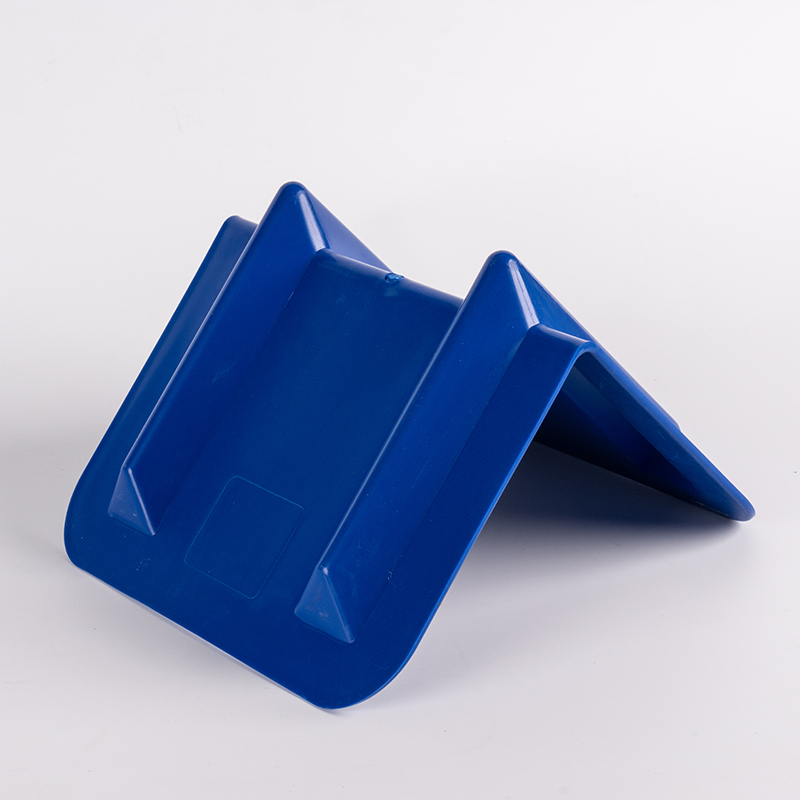
コーナープロテクターは、乾式壁、合板シートなどを積み込みや輸送中の損傷から守ります。 高密度は柔軟性があるため荷物に追従し、使用しないときは元の形状に戻り、積み上げが容易です。
詳細を参照してください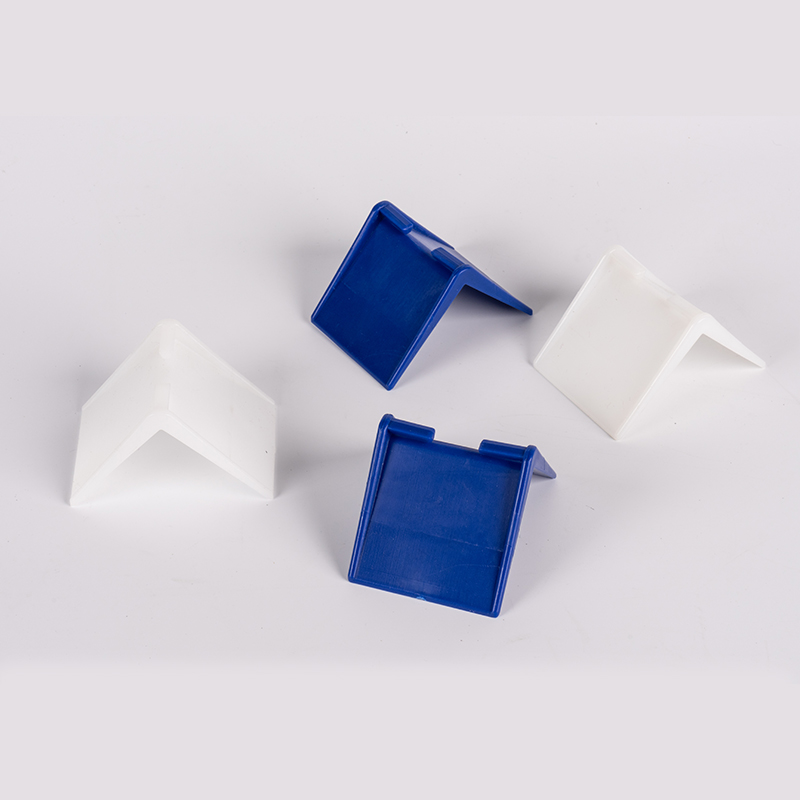
このVボードコーナープロテクターは、輸送中の貨物を損傷から保護し、ストラップを指定の位置に固定する簡単な方法です。 高密度メモリーは荷物に合わせて元の形状に戻るのに十分な柔軟性があり、スチール製のコーナープロテクターよりも軽いです。 耐候性があり、亀裂が入りにくい、温度にも耐えます。
詳細を参照してください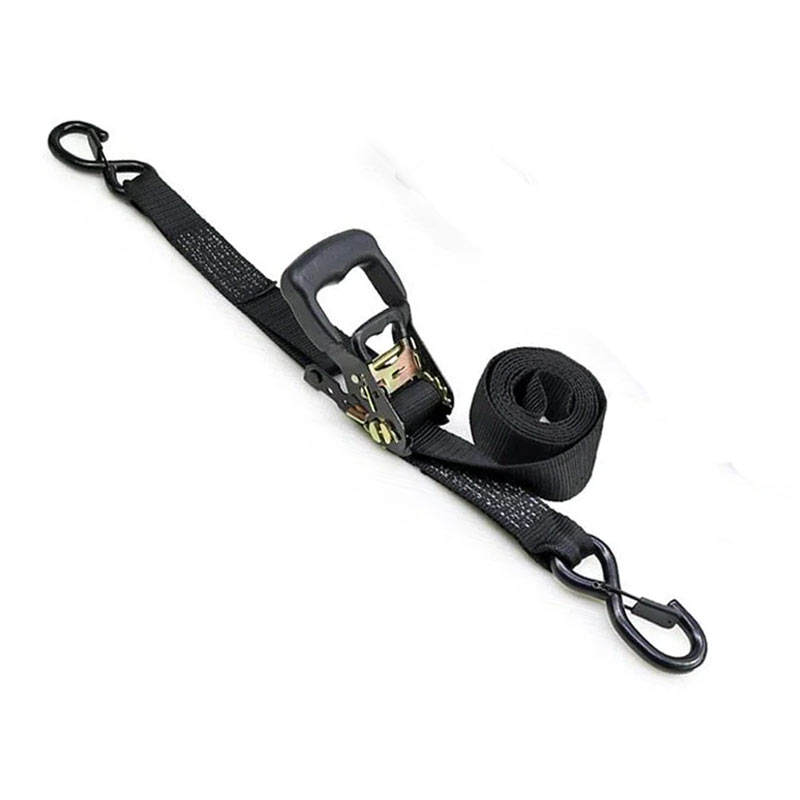
当店の2インチ x 15フィートのラチェットストラップは、コンパクトで軽量なデザインなので、保管や持ち運びが簡単です。工具箱、小物入れ、トラックの荷台に保管していても、必要なときにいつでもすぐに使えます。
詳細を参照してください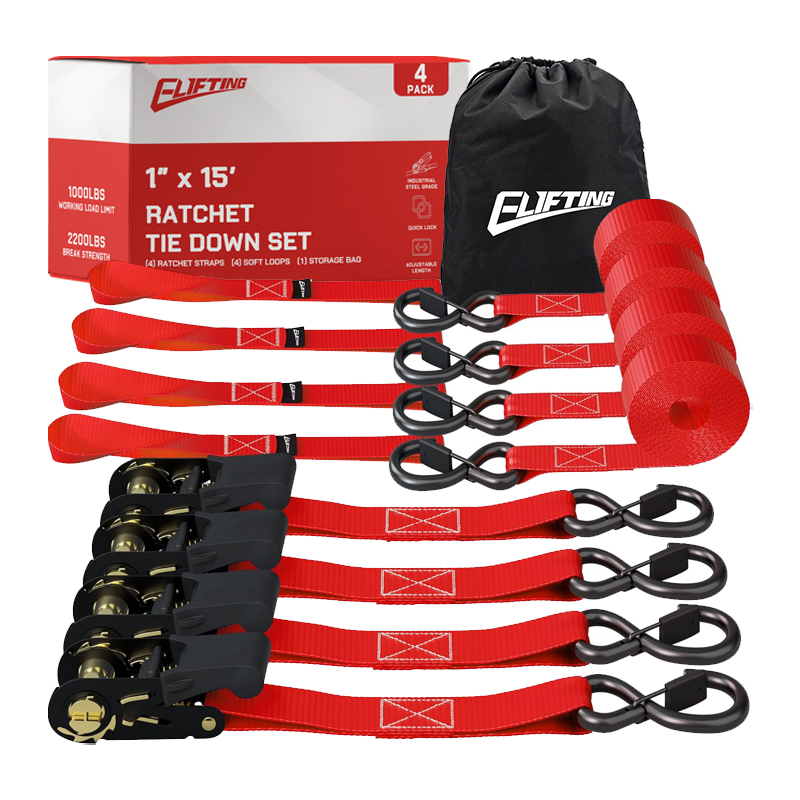
高強度 :耐久性のある素材を使用しており、確実な固定力を確保し、様々な重量の物の結束および固定に適しています。 簡単操作 :ラチェット設計により、簡単かつ迅速な締め付けと解放が可能です。人間工学に基づいて設計されたハンドルにより、快適で省力...
詳細を参照してください